
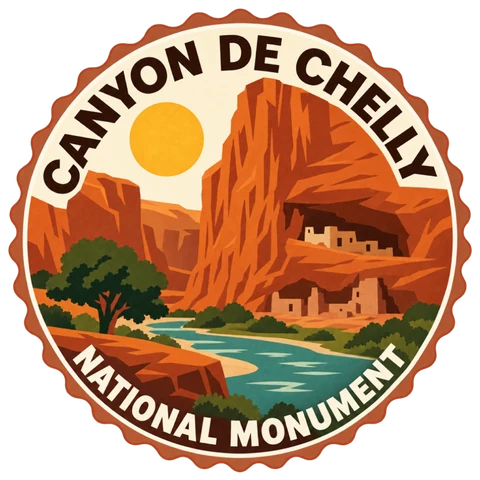
Park at a Glance
Beside Chinle in northeastern Arizona, Canyon de Chelly National Monument encompasses interconnected canyons on Navajo Nation trust lands, managed through cooperation between the Navajo Nation and National Park Service.
What This Park Preserves
The monument protects ancestral villages, rock images, and archaeological remains within a lived landscape of homes, farms, and grazing lands. Hopi and other Pueblo peoples maintain cultural connections to these places alongside Navajo residents.
How This Place Was Protected
To protect archaeological sites threatened by looting and erosion, the Navajo Tribal Council approved a monument on July 8, 1930. Congress authorized Canyon de Chelly National Monument on February 14, 1931; President Hoover established it on April 1, 1931, preserving Navajo land rights. A March 1, 1933 law and March 3, 1933 proclamation corrected its boundary description without changing the designation.
Story of the Land
Uplift and stream erosion exposed sandstone walls, alcoves, and freestanding spires. Water from springs and the Chuska Mountains supports canyon soils and agriculture. Seasonal flows continue to reshape streambeds and affect access below the rims.
People & Culture
In 1864, the U.S. Army drove Navajo families from these canyons into the forced Long Walk and internment. Survivors returned in 1868. Today, Diné families sustain farming, livestock keeping, and cultural relationships with the land.
Wildlife & Nature
Pinyon-juniper woodland and desert shrubs give way to ponderosa pine and other trees at higher elevations. Moist canyon bottoms support streamside vegetation, while hanging gardens occupy cliff faces. Small differences in water supply create contrasting habitats.
What to Look For
From the designated overlooks, compare Spider Rock’s isolated spire with the cliff alcoves at Mummy Cave. At Tsegi Overlook, fields on the canyon floor make the relationship between water, sheltered land, and living communities visible.
Trails in Canyon de Chelly.
Explore 1 routes from the Park Passport Journey catalog. Find a signature hike, filter by difficulty or distance, and preview the route before your visit.
Explore all 1 Canyon de Chelly trailsSeasons and access at Canyon de Chelly.
Spring
Snowmelt can bring flowing water to canyon washes.
Summer
Monsoon storms can suddenly flood the canyons.
Fall
Cottonwoods add seasonal color along the canyon floor.
Winter
Freezing temperatures make exposed overlooks a colder outing.
These are general seasonal patterns. Check the official park website for current access, closures, and visitor requirements.
Four things to know about Canyon de Chelly.
Your parks, in one digital passport.
Use Park Passport Journey to scan and digitize your paper passport stamps. Keep your stamp images, park visits, and photos together, then turn your memories into a customizable scrapbook, postcard, or Instagram-ready visual.
Canyon de Chelly passport stamp guide
Confirm stamp locations and availability with the park before your visit.