Park at a Glance
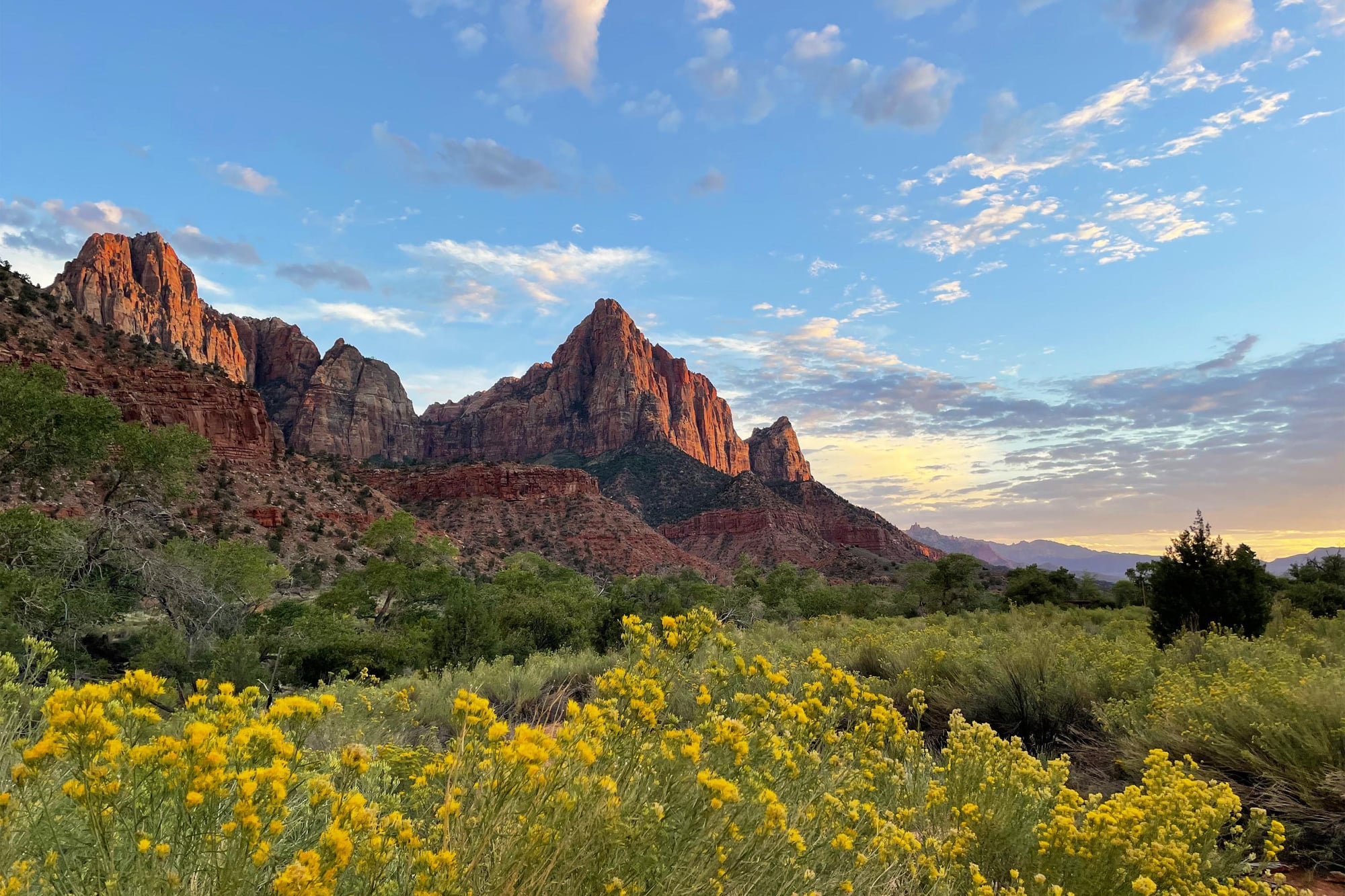
Zion National Park in southwestern Utah protects deep canyons, high plateaus and desert habitats, including Zion Canyon and the Kolob Canyons.
What This Park Preserves
The park preserves geological processes alongside archaeological sites, historic roads and buildings. Its springs and river corridors sustain living communities within a largely dry landscape.
Becoming a National Park
Mukuntuweap National Monument was reserved on July 31, 1909. Enlarged and renamed Zion National Monument on March 18, 1918, it became Zion National Park on November 19, 1919. Withdrawals in 1925 and 1929 preceded expansion on June 13, 1930. A separate Zion National Monument, proclaimed January 22, 1937 in the Kolob area, joined the park on July 11, 1956. Boundaries changed in 1960 and 1976; a 1996 law authorized a small exchange. Congress added land and designated Zion Wilderness and river protections on March 30, 2009.
Story of the Land
Ancient sand dunes became Navajo Sandstone. Uplift and the Virgin River’s downcutting exposed towering walls; water entering rock fractures also helps loosen blocks and widen the canyon.
People & Culture
Southern Paiute people maintain ancestral relationships with this landscape. In the park’s shuttle narration, Kaibab Paiute member Benn Pikyavit describes elders passing on songs, stories and responsibility for the land.
Wildlife & Nature
Cottonwoods grow beside the river, while pinyon and juniper occupy drier slopes. Moist, shaded springs support hanging gardens, creating small habitats unlike the surrounding desert.
What to Look For
From the paved Riverside Walk, compare narrowing sandstone walls with plants clustered near wet rock. Stay on the trail: those green patches reveal groundwater emerging from the cliffs.
Explore Zion on foot.
Three routes from Journey’s trail catalog. Distances and elevation gains are approximate; check each route’s NPS information before you set out.
When will you go?
Spring
Warmer days arrive, but snowmelt can close river routes.
Summer
Long days bring intense heat and monsoon flood risks.
Fall
Cooler hiking weather accompanies autumn color along the river.
Winter
Quiet canyon visits come with ice and road closures.
These are general seasonal patterns. Check the official park website for current road access, closures, and visitor requirements.
Four things to remember.
Bring home a memory.
Make room in your passport for Zion. Find the park’s stamp guide, then keep your stamp photos and visit memories together in Journey.
Zion passport stamp guide